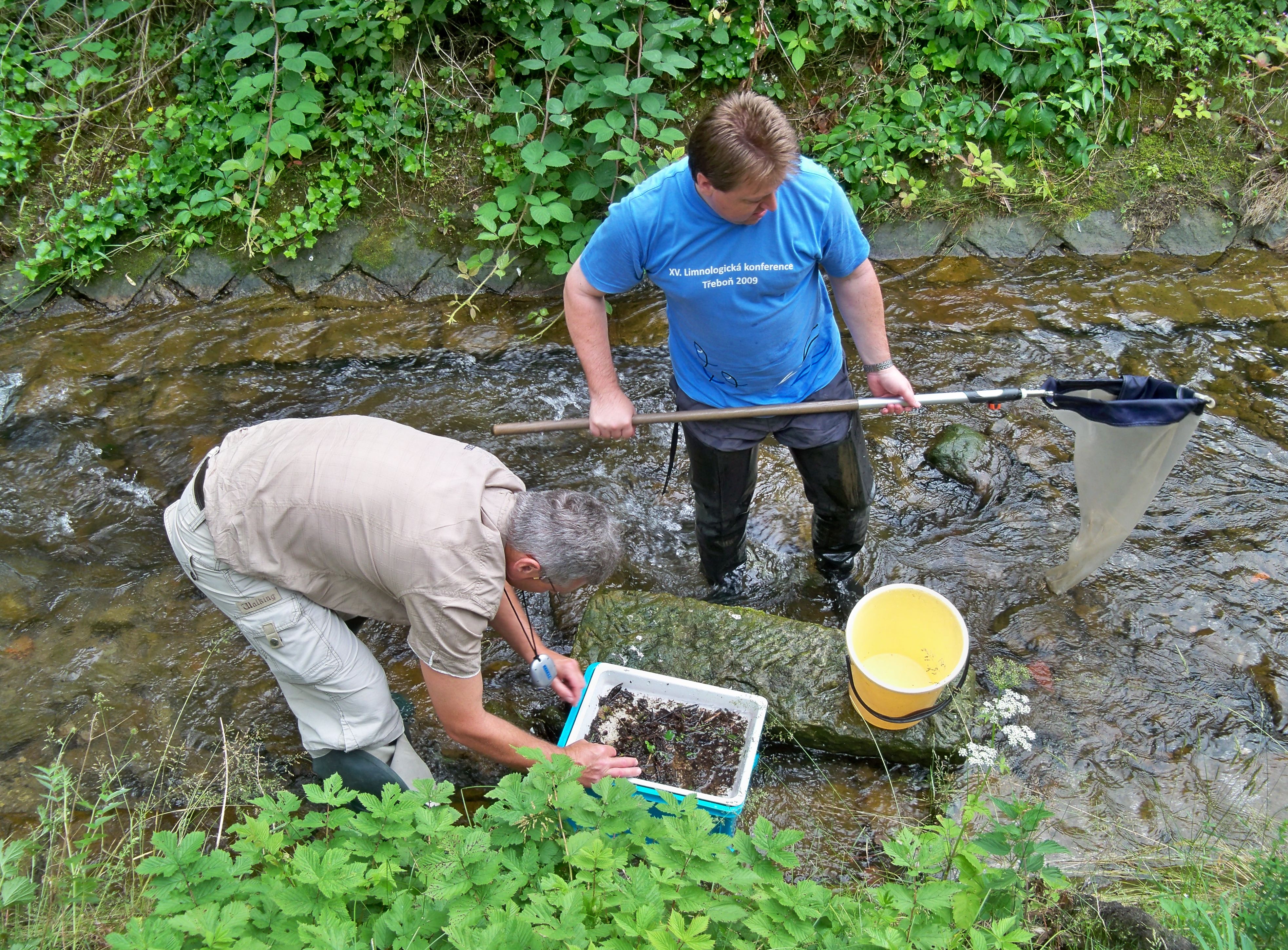
Research conducted in users' natural environment rather than a lab. Field studies observe how people actually behave in context — in their offices, homes, or on the go — revealing behaviors that controlled settings often cannot replicate.
Common contexts
- Visiting a hospital ward to observe how nurses interact with patient management software between tasks
- Observing retail staff using a point-of-sale system during peak hours to surface real-world friction
- Watching how remote workers use a collaboration tool across their actual home office setup and interruptions
Use when
When environmental context, physical constraints, or social dynamics directly affect how users interact with a product — particularly for tools used in high-pressure, high-interruption, or physically demanding environments.
Avoid when
Don't conduct a field study when the research question can be answered with remote moderated testing — the logistics cost is significant, and being present in the wrong environment adds noise without adding relevant signal.
The most revealing moments in a field study are the workarounds — when users build physical or digital hacks around your product, they're showing you a design failure more clearly than any interview question could.
Real-world examples
- Microsoft Research conducted field studies in rural India and Africa to understand how people in low-connectivity environments used mobile phones, directly informing the design of lightweight web experiences.
- Steelcase sends researchers into offices and workplaces worldwide to conduct field studies of how people actually work, generating insights that drive their ergonomic furniture and workspace design.
- Google conducted field studies with small business owners in emerging markets to understand real-world usage of Google My Business, leading to significant simplifications of the product interface.