A classification system that groups content into meaningful, hierarchical categories. In UX, taxonomies define the labeling and organization of a site's content, and are typically validated through card sorting and tree testing with representative users.
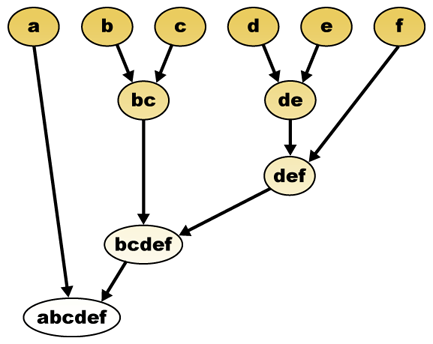
Common contexts
- Rebuilding a retail site's product category structure after card sorting reveals users' mental models diverge from internal naming
- Defining a content taxonomy for a knowledge base that must support both browsing and filtered search
- Auditing an existing taxonomy to find categories that are too broad, overlapping, or internally driven rather than user-driven
Use when
Invest in taxonomy design when you're building or restructuring any content-heavy experience with more than a few dozen items — the earlier you establish a validated classification system, the cheaper it is to implement consistently across navigation, search, and metadata.
Avoid when
Don't impose a rigid taxonomy on content that changes rapidly or varies significantly by user context — a fixed hierarchy will become outdated fast and frustrate users whose mental models don't match the system's categories. Faceted navigation or tag-based systems handle fluid content better.
The most durable taxonomies are built around user tasks, not content attributes — 'what I need to do' almost always makes a better top-level category than 'what type of content this is'.
Real-world examples
- Netflix's genre taxonomy uses over 76,000 micro-genres ('Critically Acclaimed Emotional Underdog Movies', 'Visually Striking Foreign Dramas') generated from tag combinations — a taxonomy invisible to users but powering every recommendation.
- Spotify's mood and activity taxonomy (Focus, Workout, Chill, Party) structures their editorial playlist catalogue and directly maps to the contextual playlists their algorithm generates for users.
- Amazon's product taxonomy team employs dedicated information architects to maintain consistency as 400+ million products are added each year, with taxonomy decisions directly impacting search relevance and browse conversion.