A collage of images, colors, typography samples, textures, and references assembled to communicate a design's intended visual and emotional direction before detailed work begins. Mood boards align stakeholders and teams on aesthetic tone early, preventing costly disagreements after high-fidelity work is underway.
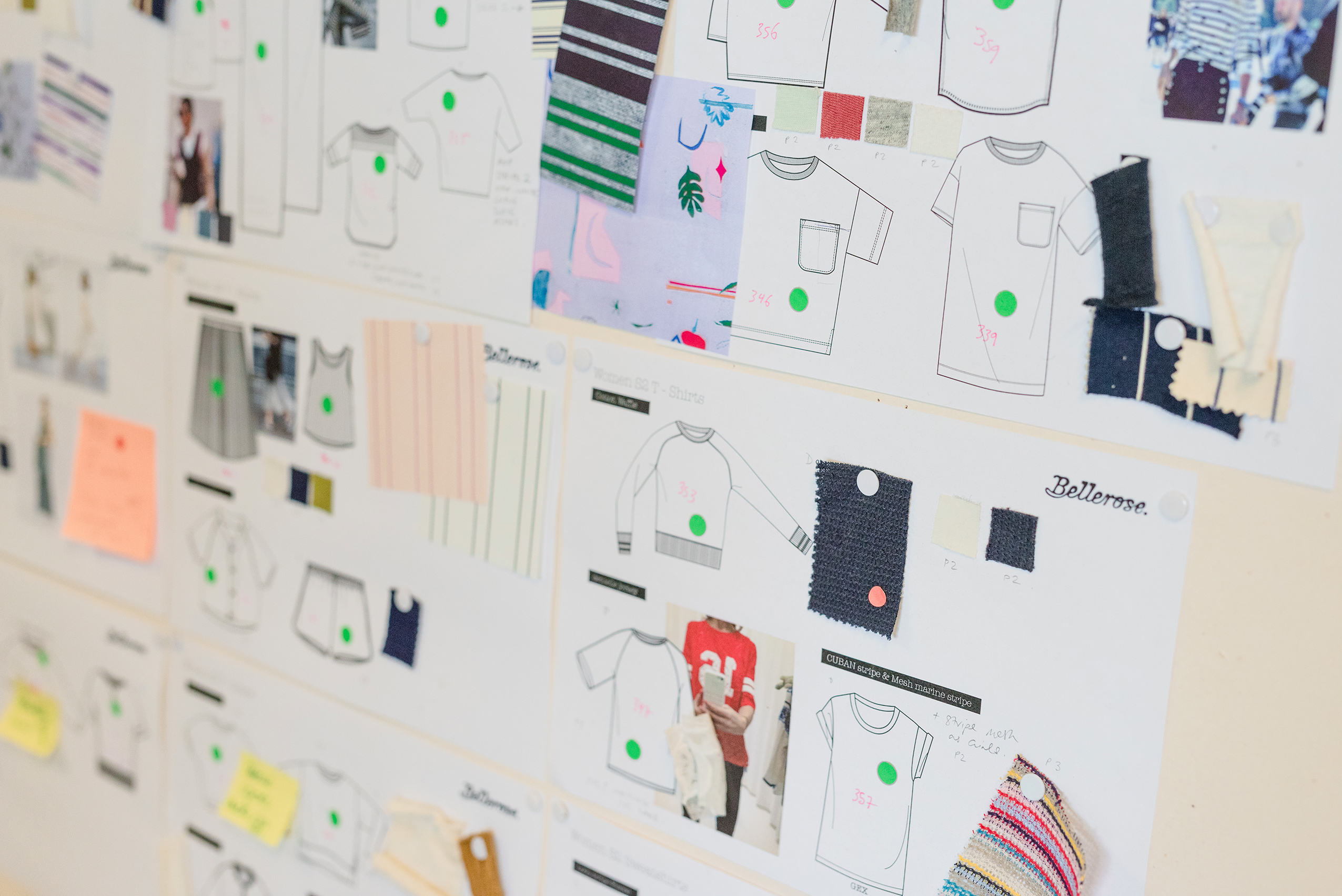
Common contexts
- Presenting two divergent visual directions to a client before committing to a design language for a rebrand
- Creating a mood board to onboard a new designer joining mid-project so they absorb visual tone without reading lengthy briefs
- Using a mood board as a shared reference during design critique to distinguish personal preference from departure from the agreed direction
Use when
Create mood boards before any visual design work begins, especially for new brands or significant redesigns — they surface aesthetic disagreements cheaply when images are still easy to swap, rather than after hours of high-fidelity work.
Avoid when
Don't use a mood board to make a design decision final — it communicates direction and tone, not UI specifications, and treating it as approval for visual execution creates misaligned expectations.
A mood board is most useful when it includes references the client rejects — knowing what a brand does not want to look like is often more actionable than knowing what it should look like.
Real-world examples
- Airbnb's design team used mood boards during their 2014 brand refresh to align a 12-person stakeholder group on emotional direction (warmth, belonging, adventure) before any visual production began.
- The team behind iOS 7's 'flat' redesign presented contrasting mood boards — skeuomorphic realism vs. pure geometry — to Jony Ive to gain strategic alignment before committing to a production direction.
- Spotify builds seasonal mood boards (coastal summer, cozy autumn) to guide editorial playlist cover art, campaign imagery, and in-app visual moments without prescriptive pixel-level guidelines.