A prototyping and research technique where a human operator secretly simulates the behavior of a system — responding to user inputs manually as if they were automated — while the participant believes they are interacting with a fully functional product. Wizard of Oz testing evaluates the value of an interaction concept before building the underlying technology, making it especially useful for testing voice interfaces, AI features, and intelligent automation.
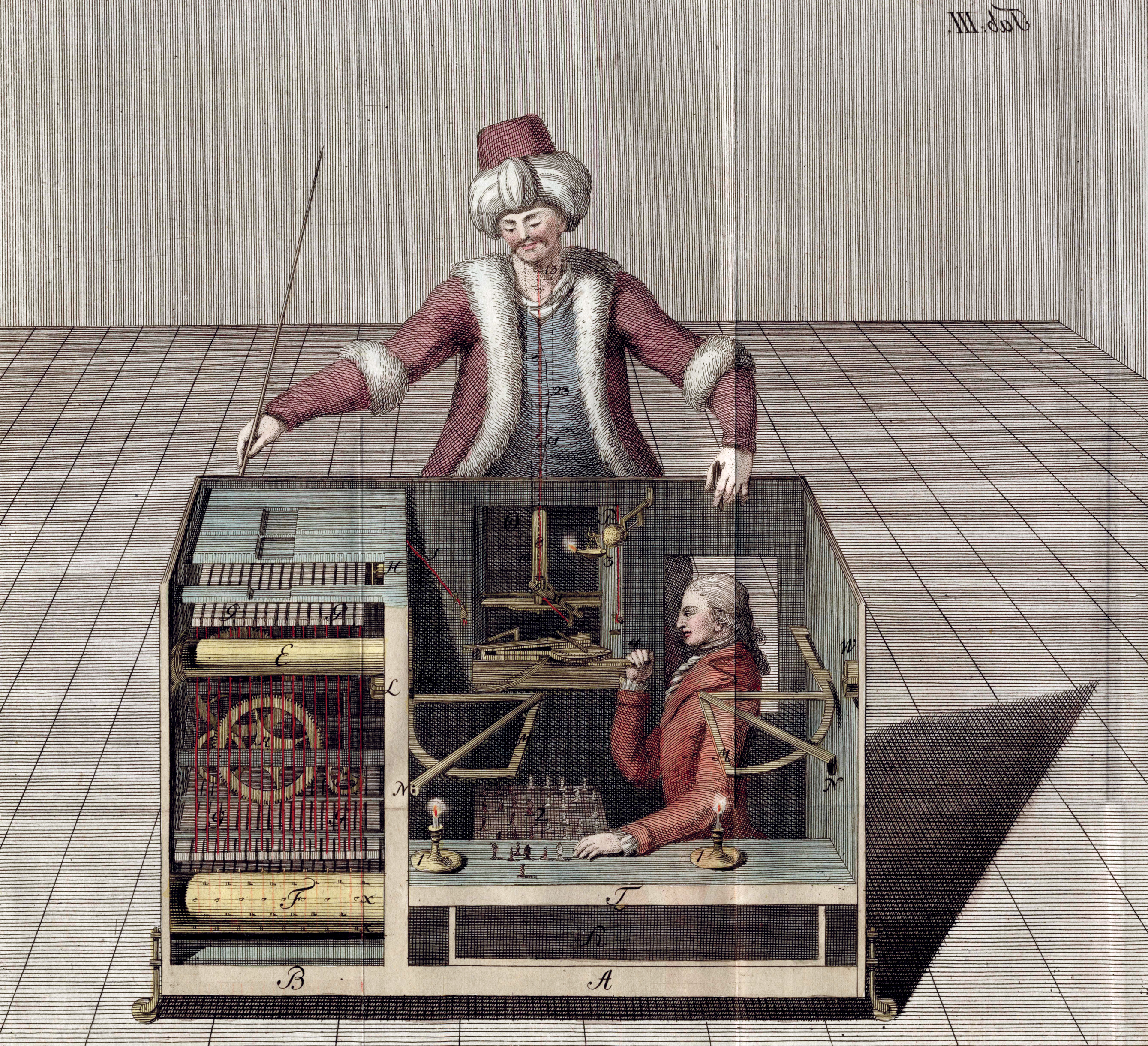
Common contexts
- Testing a conversational AI feature by having a researcher type responses in real time while the participant interacts
- Simulating a smart recommendation engine manually to validate whether personalized suggestions actually change user behavior
- Evaluating a voice command interface concept before any speech recognition technology is built
Use when
Use Wizard of Oz testing when you need to validate the value and usability of an AI, automation, or intelligent system concept before committing engineering resources — it's the only method that lets you test the interaction honestly without building the backend, which can take months.
Avoid when
Don't use Wizard of Oz testing when the technical constraints of the real system would significantly change the interaction — if the actual implementation will have a two-second latency or limited vocabulary, a perfectly responsive human operator creates false positive results that don't transfer to the shipped product.
The most valuable outcome of a Wizard of Oz test is often discovering that the concept isn't as useful as the team believed — and that's a result worth finding out with a researcher and a keyboard rather than a six-month engineering investment.
Real-world examples
- Google's original voice search was tested via Wizard of Oz: a researcher typed query results while users spoke to a microphone, validating the interaction concept before building speech-recognition infrastructure.
- Uber's first trip was a Wizard of Oz test: Travis Kalanick texted a driver to pick him up, simulating the app experience manually to validate that on-demand car service was a concept people would actually use.
- IDEO tested an AI-powered customer service chatbot for a bank using Wizard of Oz before building the NLP model — a human agent typed responses behind the scenes, proving the conversation design worked before a single algorithm was trained.